A booking system prevents double bookings in an escape room by keeping every booking from every channel in a single calendar and checking each room's availability in real time. A slot is taken as soon as the first booking comes in, even while the guest is still paying. The system also plans reset breaks and game masters, so nothing overlaps there either.
How double bookings happen in an escape room
A double booking is rarely one person's mistake. It happens when several ways of booking run side by side without knowing about each other. Typical situations:
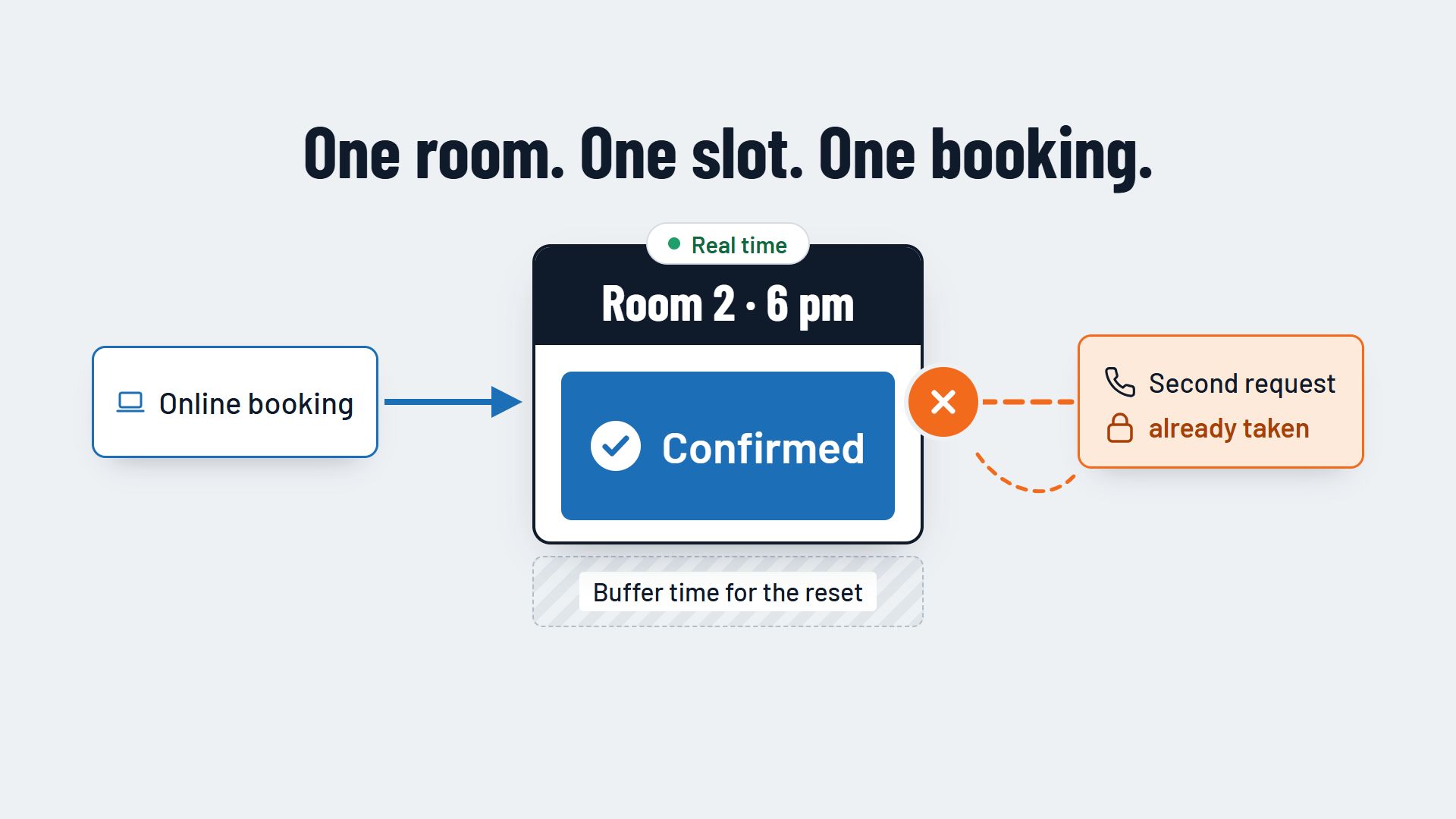
- Phone and website at the same time. On the phone, you promise a group room 2 at 6 pm. While you are entering the slot in the calendar, another group books the same slot online.
- Several calendars. Online bookings end up in one tool, phone reservations in a paper diary and company enquiries in the email inbox. Whoever takes a booking only ever sees part of the picture.
- Copying by hand. Anyone who copies bookings by hand from one calendar to another will sooner or later mistype the room, date or time.
- Vouchers and walk-ins. A guest redeems a voucher by email, a spontaneous group is standing at reception. Both get a yes before anyone has checked the calendar.
- Shared game masters or rooms. Two rooms are each free on their own, but are run by the same game master or share an anteroom. On paper everything fits; in practice it does not.
For your guests, the result is always just as frustrating: a group stands in front of an occupied room, often for a birthday or team event that was planned long in advance.
Real-time availability for every single room
The most important rule against double bookings is that there is only one version of the truth. A booking system for escape rooms manages each room as a separate resource with its own game times. Every booking, change and cancellation is saved immediately, and everyone sees the same calendar: guests on your website, your team on the phone and reception.
Day to day, this means:
- Only free slots are shown online. A slot that has been taken disappears from the selection immediately.
- Your team checks the same calendar on the phone and enters the booking directly there, not on a slip of paper.
- Cancellations release the slot immediately, so another group can book it.
It is important that the system manages rooms individually. “Escape room, 6 pm” is not enough if you have three rooms with different themes, game lengths and group sizes.
Reset breaks and buffers between groups
After every game, the room has to be reset: locks closed, clues hidden, props put back in place. If this time is not planned in, the next booking starts right after the game ends, and your team runs out of time.
A good system stores a separate reset buffer for each room. The next slot is only offered after this reset break. That way, your escape room planning still works when one room takes more effort to reset than another.
Holding the slot during the booking
Double bookings also happen online when two guests choose the same slot at almost the same time. While the first is still entering their details and paying, the second chooses the same room.
A booking system prevents this by holding the slot provisionally for the duration of the booking. The second guest then sees the slot as “already taken” and can choose another. If the first guest abandons the booking, the system releases the slot again automatically after a short time. Ask providers whether, and for how long, a slot stays held during payment.
One central calendar for all channels
Real time only helps if every booking really goes into the same calendar. So check whether your escape room currently accepts bookings through channels that bypass the system:
- Phone and email: your team books directly in the system, not afterwards.
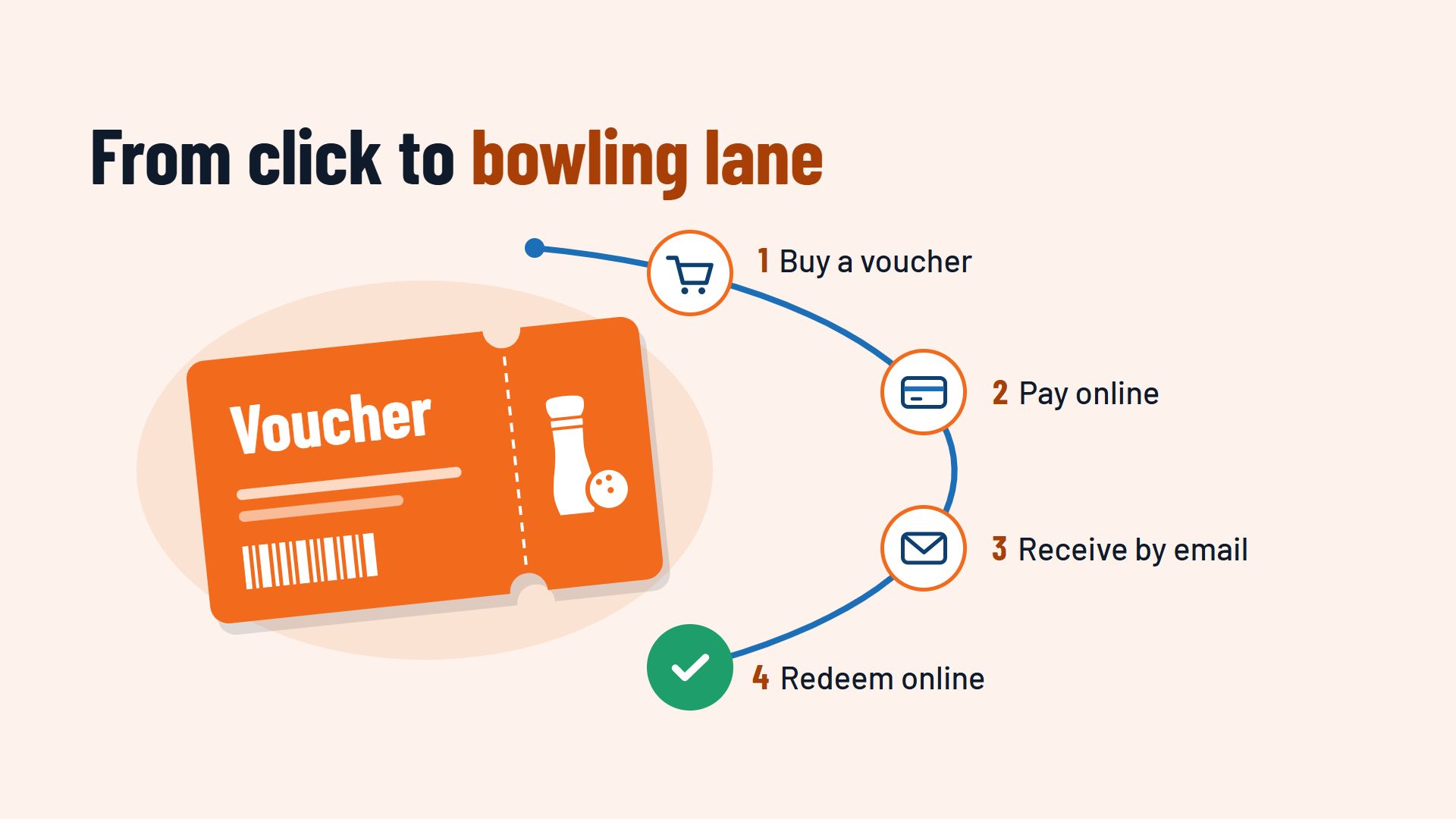
- Vouchers: guests redeem the voucher when they book, so it is tied to the same calendar.
- Walk-ins: spontaneous groups are booked in the system at reception before they enter the room.
- Companies and groups: large enquiries that still need to be agreed also hold the room provisionally in the system.
If you still work with spreadsheets and several calendars today, it is worth looking at the hidden costs. The article Booking system vs. Excel describes them using bowling lanes as an example. Much of it applies to rooms too.
Planning game masters as a separate resource
A free room can only be booked if someone is also available to look after the group. In many escape rooms, the game master welcomes the group, watches the game, gives hints and then resets the room. If one person looks after several rooms, their game times must not coincide at random.
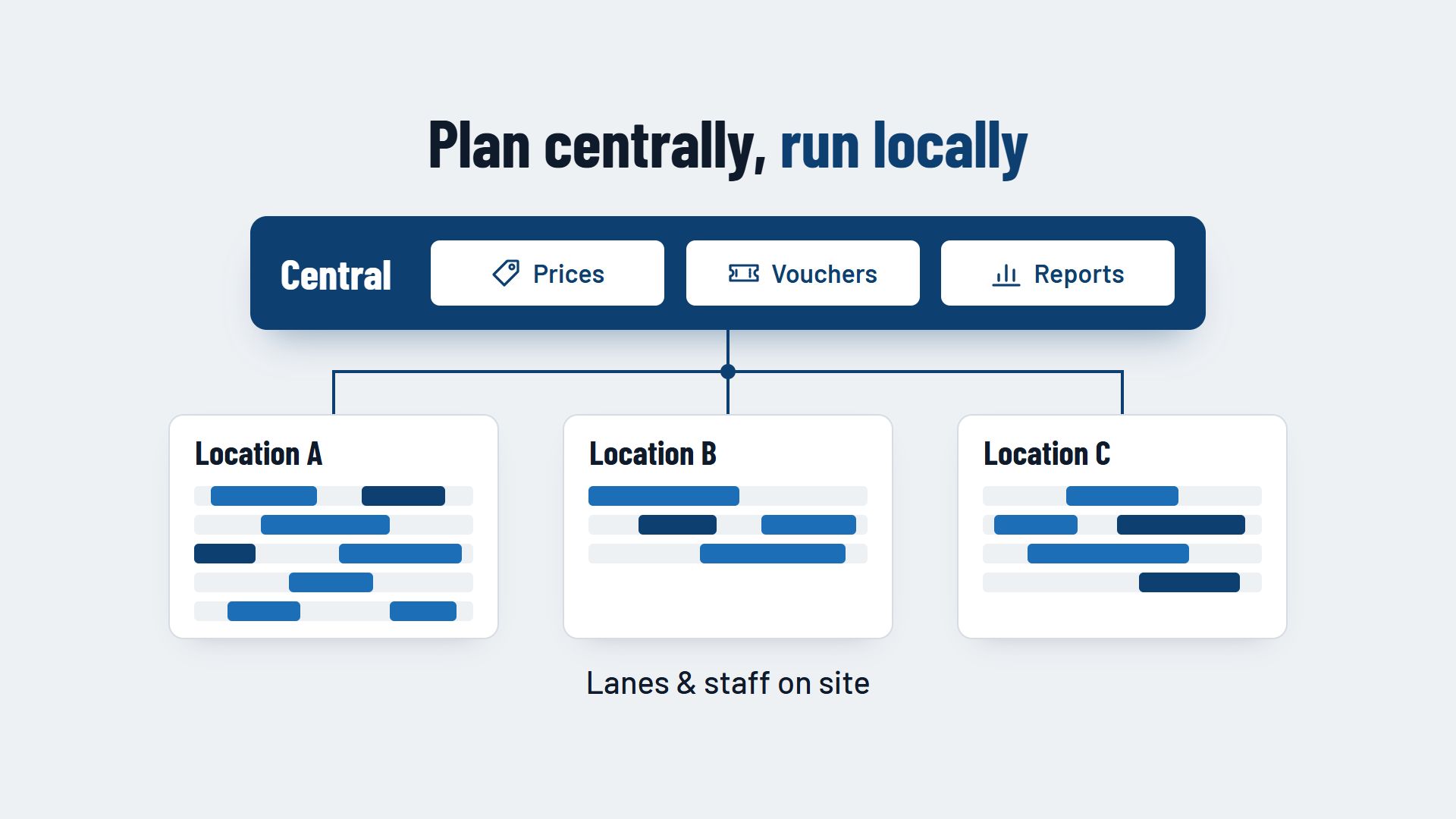
A booking system can manage game masters or shared areas as a separate resource. A slot is then only offered when both the room and the staff it needs are free. This avoids overlaps that do not show up in a calendar of rooms alone.
What to look for in a booking system for escape rooms
When you compare systems, ask to see these points demonstrated with a real example from your business:
- Set up rooms individually, each with its own game length, group size and reset break.
- Real-time availability on the website, on the phone and at reception.
- A provisional hold on a slot while the guest books and pays.
- One calendar for all channels, including vouchers, walk-ins and group enquiries.
- Game masters and shared areas as a resource that is checked as part of the booking.
- An overview for your team, so everyone at reception can see at a glance which room is taken when.
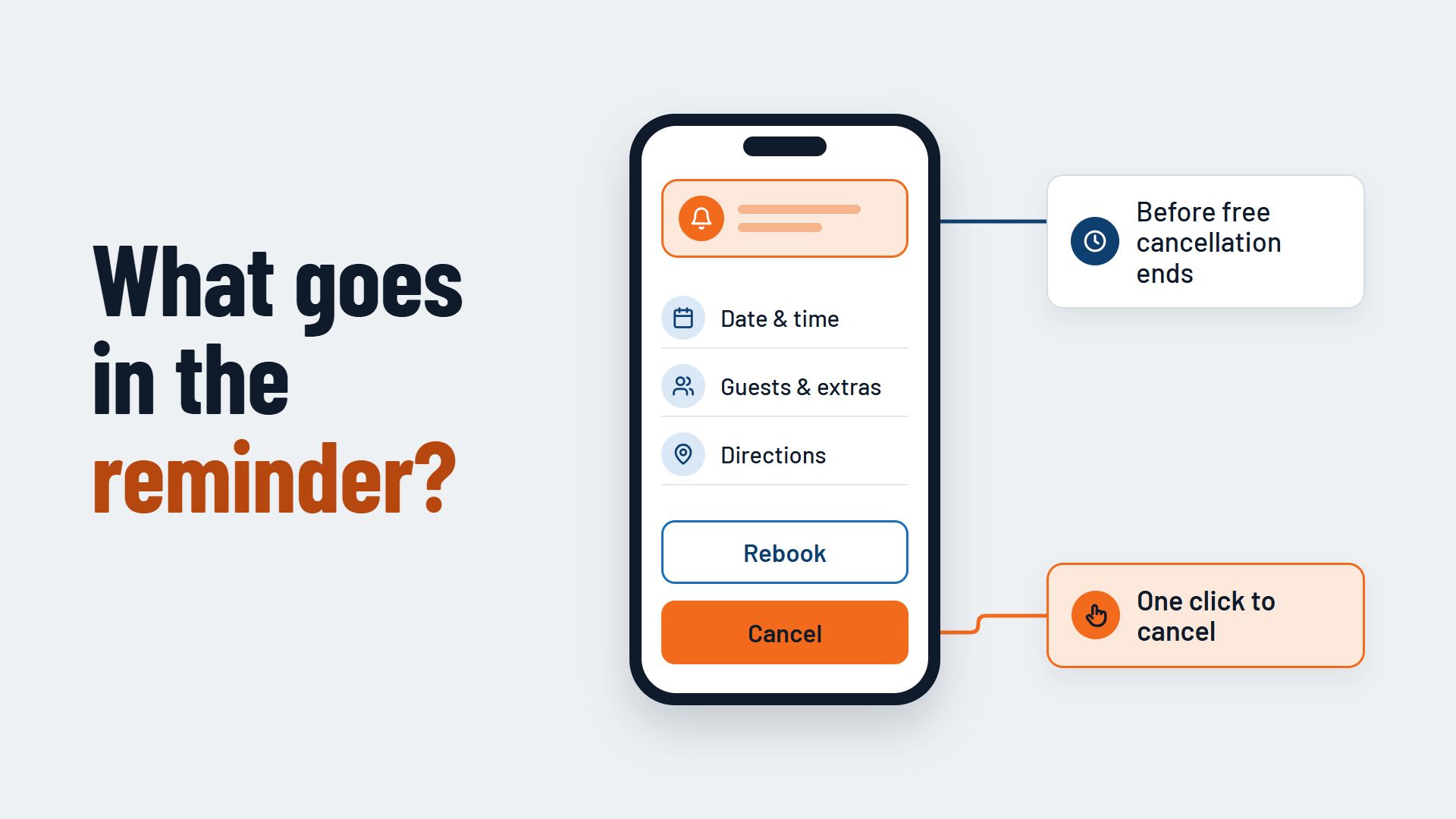
You can find further features, such as reminders against no-shows, deposits and reports, on the page Booking system for escape rooms.
Conclusion: a calendar that can say no by itself
Double bookings in an escape room happen when several channels, calendars and people promise slots independently of each other. A booking system puts a stop to this by checking every request against the same calendar, taking reset breaks and game masters into account, and holding a slot as soon as someone books it. Your team then no longer has to watch out for slots being given away twice, and can focus on the groups instead.
How rooms, buffers and online booking can come together in one system can be seen, for example, at Flexybox.